New Fishing Rules for the Bays of Pollença and Alcúdia
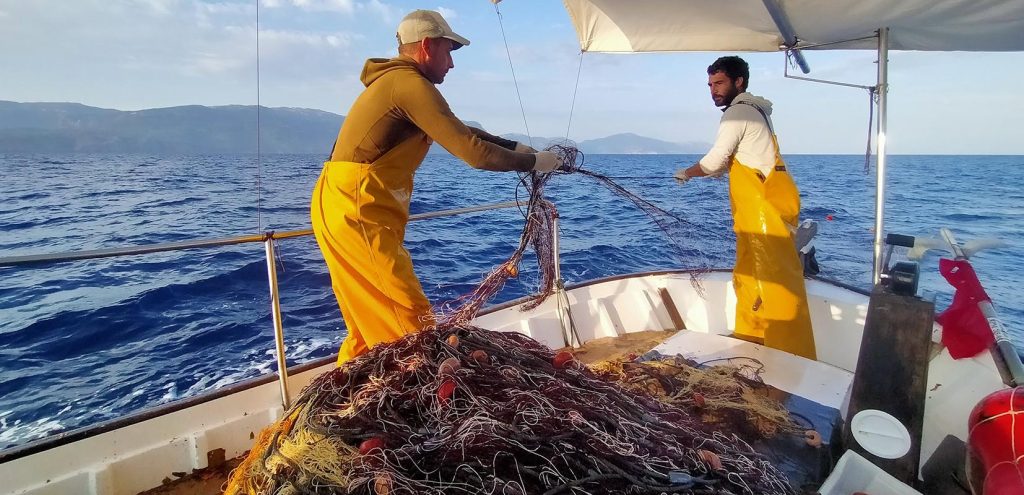
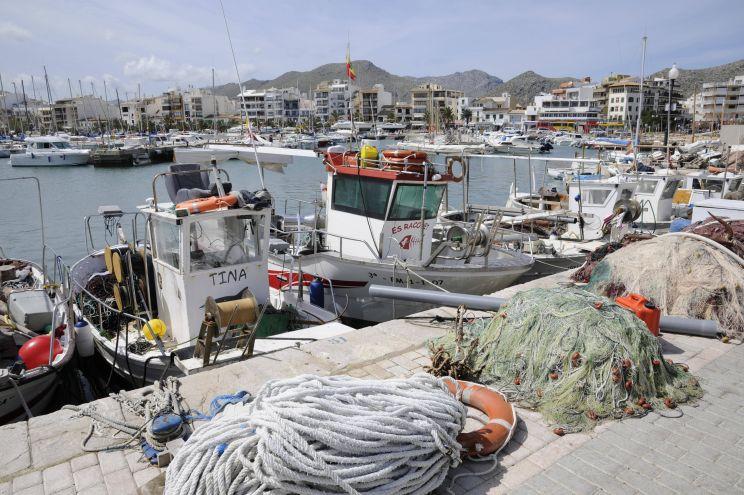
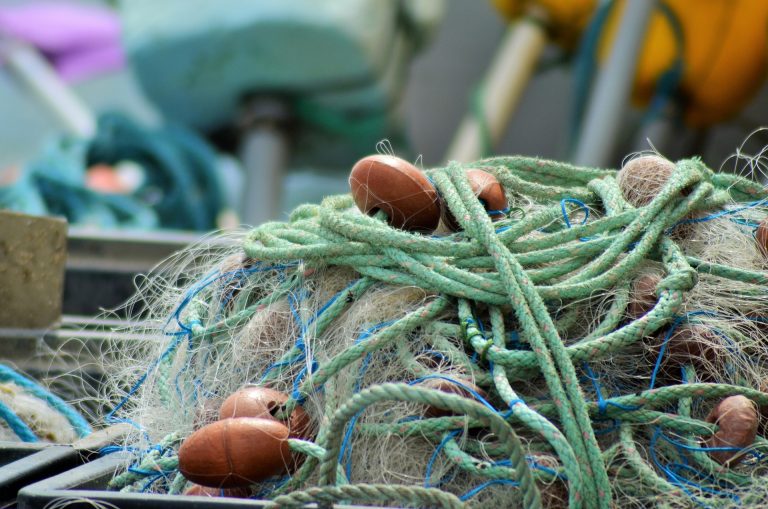
Fishing has shaped life along Mallorca’s northern coast for generations. It is part of the history of Port de Pollença and Alcúdia, the working harbours that still serve the island’s fishermen, and the local food culture that brings freshly caught seafood to tables across the region.
But maintaining that tradition depends on the health of the waters themselves. With that in mind, the Balearic government has approved a new management plan for professional fishing in the Bays of Pollença and Alcúdia, introducing a series of restrictions intended to protect marine resources while allowing the industry to continue operating.
Approved on 2 October, the plan will initially run for six years and covers professional fishing in the designated waters of both bays. Among its measures are limits on the number of fishing days, seasonal closures and additional protections for marine wildlife.
Small-scale fishing and shellfish-gathering vessels covered by the plan will be limited to 180 fishing days a year, with a combined annual ceiling of 7,000 fishing days across the relevant fleet. The number of authorised vessels will also be capped at 80. Between September and January, eligible vessels must observe a weekly rest period of at least 41 consecutive hours and may fish for no more than four days per week.
Other measures target specific fishing activities. Octopus fishing will be subject to a 105-day closed season, while trawling will be prohibited between 1 April and 31 August and limited to three fishing days per week per vessel. The plan also includes measures to reduce accidental seabird captures and improve scientific monitoring of marine habitats.
The restrictions vary according to the type of fishing involved, but the overall aim is to manage fishing pressure more carefully and give marine resources a better chance of remaining productive over the long term.
For the communities around the two bays, that balance matters. Fishing is not simply a tradition to preserve; it is also a livelihood, and changes to when and how boats can operate have practical consequences for the people who depend on the sea. At the same time, protecting marine ecosystems is essential to the future of the industry itself.
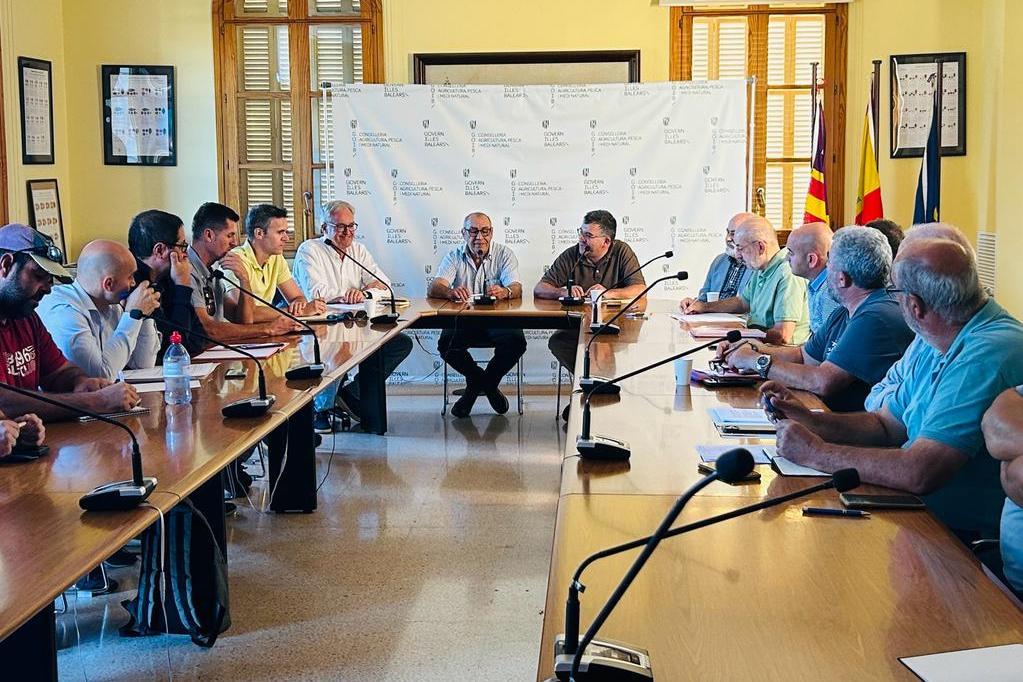
To help oversee the process, the new framework establishes a commission bringing together public authorities, fishing representatives, scientists and conservation organisations. The group will provide a space to share research and assess how fishing should be managed as conditions change.
Whether the new rules deliver the intended results will take time to establish. Their impact will depend on how they are implemented, what monitoring reveals about marine populations and how effectively the different groups work together.
For now, the plan marks a new stage in the management of professional fishing in two bays that remain central to the character and economy of Northern Mallorca. The challenge will be to protect the waters that sustain the industry without losing sight of the people whose lives and livelihoods have long been connected to them.
Stay in the loop
Get local tips, events, news & guides delivered straight to your inbox every fortnight