La Temporada – Matances & what to eat in Mallorca (November)
Traditionally November in Mallorca saw the butchering (matances) of the family pig
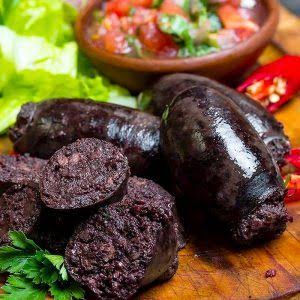
And so began a flurry of activity creating Morcillas (blood puddings) sobrasada, butifarron (sausages) cured meats (camaiot) and the salting and preserving of all manner of pork products. The whole family, neighbours and sometimes the entire village would be involved in the process of cleaning, bleeding, butchering and preparing the whole carcasses, and after the initial killing, an industrious almost carnaval atmosphere could develop with everyone keen to make the most of this most precious source of sustenance for the winter months ahead. Nothing is wasted and this is the real meaning of nose to tail eating. As the saying goes, the only part of a pig you cannot eat is the oink!
Before modern refrigeration, the cold, dry air of late autumn and winter provided the best conditions to naturally keet the fresh meat cool during the critical first few days of butchering and curing.
Sausages, Black Puddings & Cured Meats
The first things to prepare were the products which would spoil the quickest – in essence the offal (including the blood). Morcillas (black puddings) flavoured with fennel, cinnamon, all spice and paprika, along with Butifarro sausages were prepared & stuffed into casings made from the cleaned intestines of the pig.
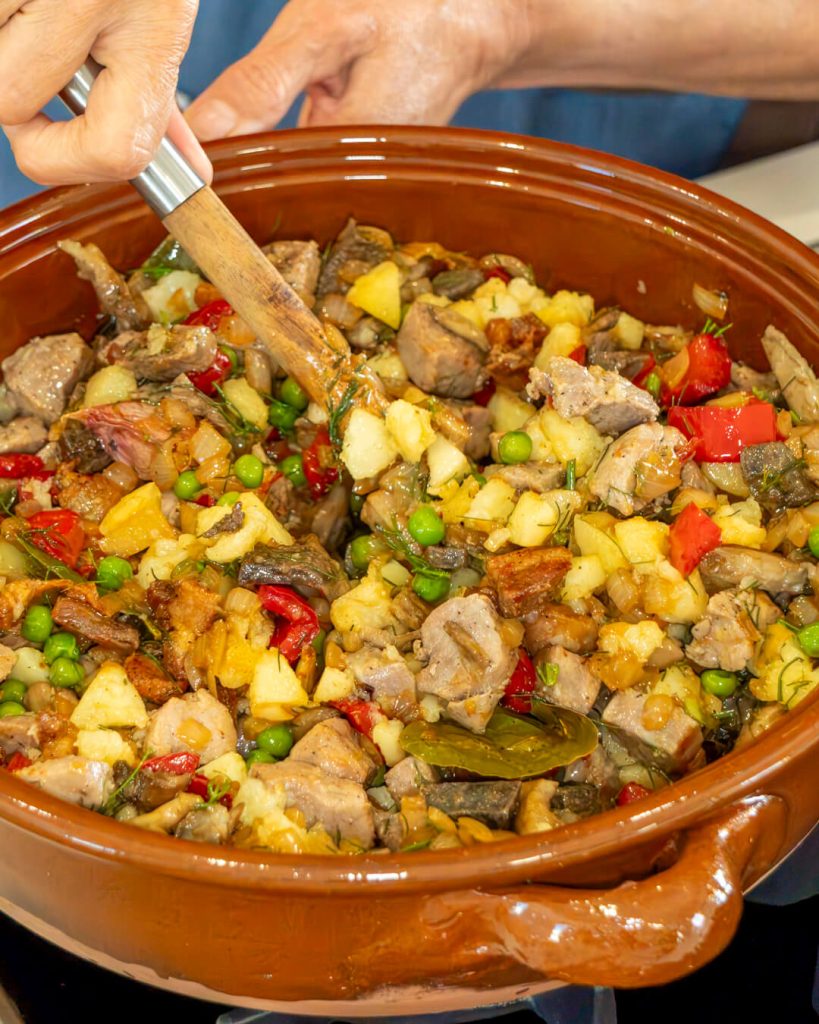
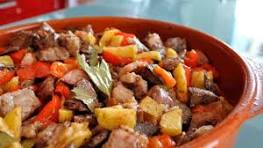
In order to sustain the work force, the offal including the heart, lungs, liver and kidneys would be cooked up into the famous “frito de matances” – a delicious dish of fried potatoes, leeks or onions, peas, peppers & garlic mixed with the fried offal and flavoured with pimenton and wild fennel.
The Noble Cuts
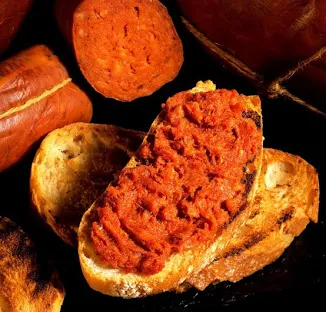
In many parts of Spain the hind legs (Jamones) and front legs (Paletillas) would be buried in salt for months on end before being air-dried to produce the famous Jamon Serrano. However the high humidity in the islands causes the meat to rot rather than cure, so the meat is often trimmed from the bones, ground, mixed with spices like allspice and black pepper, stuffed into the carefully trimmed skin of the leg and used to produce the local cured meat Camaiot. Lean cuts are minced with some extra fat, salt and plenty of Mallorquin paprika (pebre bord) and transformed into the spreadable iconic Sobrasada sausage
The prized loins would sometimes be preserved in olive oil or lard. You may have seen this in jars labelled as “lomo en orza” and is often mistaken for tuna fish! Otherwise the loins would be eaten within a few days, either simply cooked “a la plancha” or in more complicated dishes like “lomo en col”
Other Cuts, Bones & Offcuts
Fat is rendered down for lard and is sometimes added to scraps of cooked meat with paprika to make another spreadable preserve for toasts or bread. Trotters can be preserved in their own jelly, topped with a layer of pork fat to keep the air out, crispy ears and snout are fried up for immediate satisfaction, and ribs can be heavily salted and preserved (along with the bones from the legs) for use in winter stews, soups and stocks. The head which is valued for it’s gelatinous qualitites is often used in the same way, once the cheeks have been removed for slow braising.
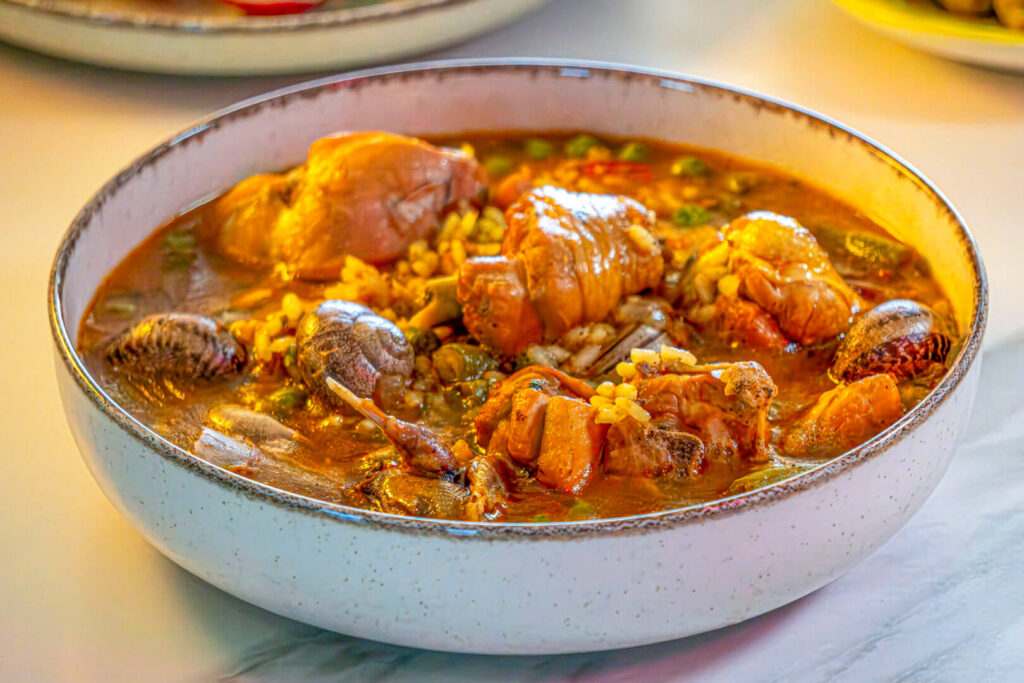
Some ribs might be fried up fresh on the day with garlic and olive oil, but many will end up being used in the classic Mallorcan winter dish “Arroz Brut”
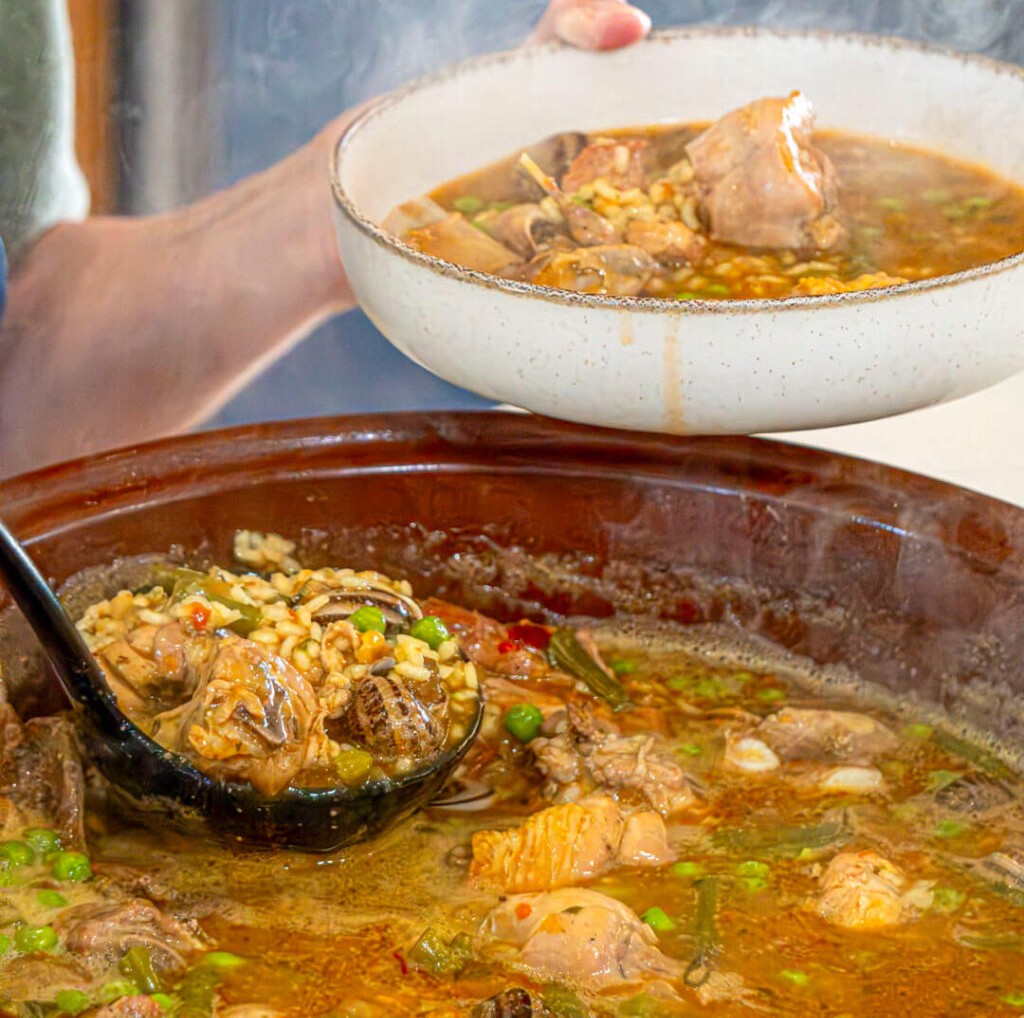
This hearty, soupy, rice dish is the most “matances” dish of all, featuring a highly spiced, savoury pork broth with cuts of pork, ribs, sausages, sometimes morcilla & sobrasada, wild game or snails, thickened with blood or minced liver, vegetables herbs and rice (ideally from Sa Pobla)
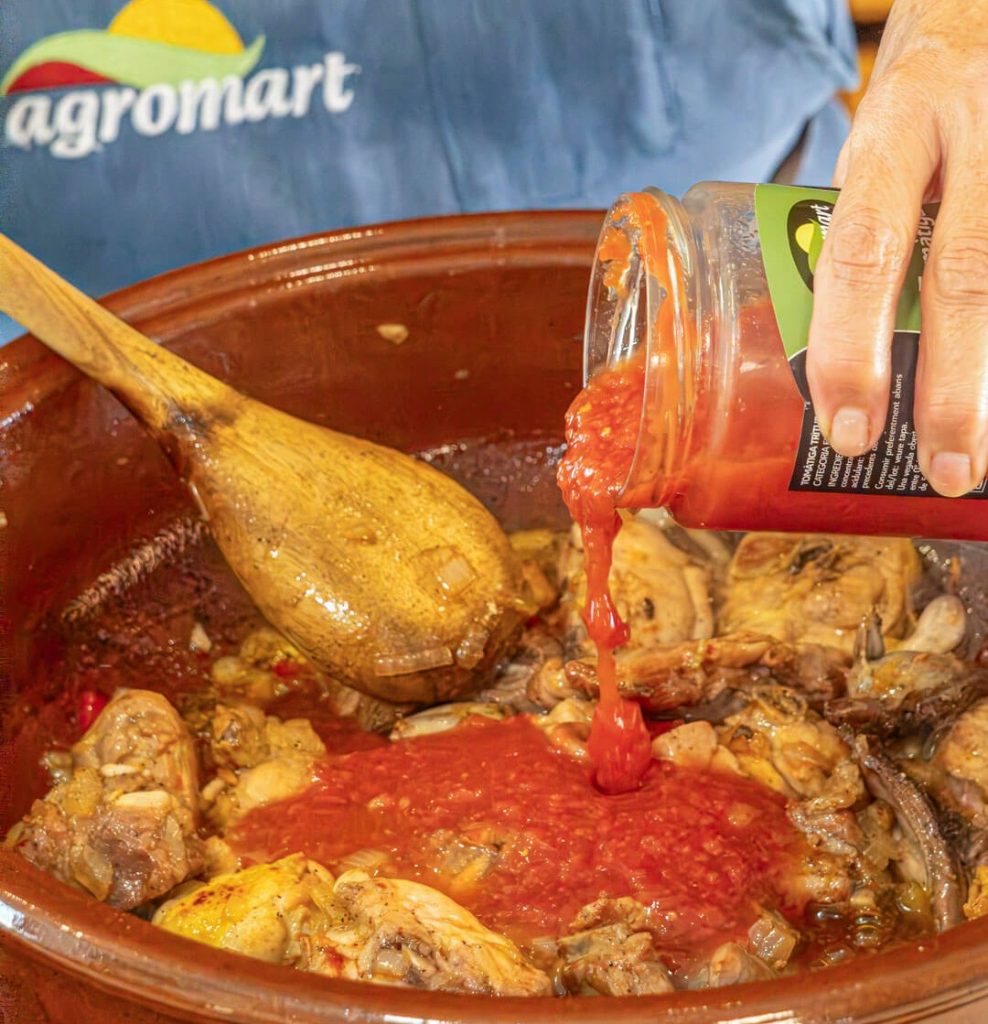
Heat some olive oil in a large earthenware “grexonera” – add the hot pepper and then brown the meats – season well & remove the liver – then add the onions, red pepper & garlic, followed by 200g chopped tomato, a large spoonfull of Ñora pepper paste and continue to fry.
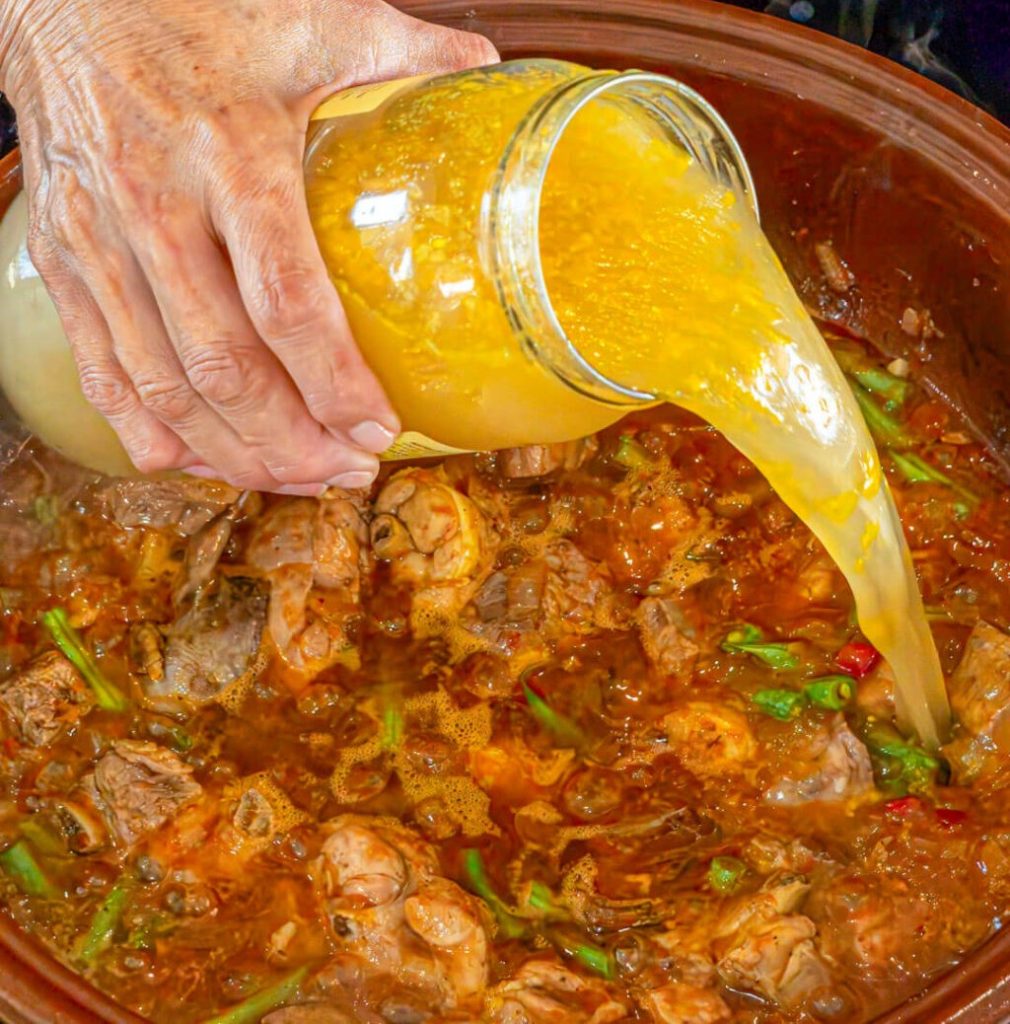
When the vegetables have softened, we add the broth, a cup of water and the green beans. Once th ebeans are cooked add the snails, the peas and the rice and season generously with the four spice mix.
Bring to the boil and allow to cook for 6 minutes, then stir in a pounded mixture (picada) of the liver, some sobrasada and morcilla, garlic, fresh parsley, saffron and more seasoning to taste. Continue to boil for a further 6 minutes and then turn off the heat (the dish will continue to cook in the residual heat) If the dish starts to look too dry at any point, just add a little more hot stock or water – rememeber, it is supposed soupy, not dry like a paella. Traditionally served with radishes, pickled peppers, Mallorquin bread and olives.
La temporada highlights what’s in season and how to enjoy it, emphasizing the ecological benefits of eating fresh, local produce—less fertilizer use and a lower carbon footprint from reduced energy in growing, transport, and storage. Seasonal foods are fresher, more flavourful, and more nutritious, with naturally ripened crops offering sweeter, richer taste and higher nutrient content than forced alternatives.
Steve French has been a Chef, restaurateur and food consultant in both the UK and Spain for over 35 years; most recently at Finca49 in Pollença and is currently running cookery experiences in Andalucia. www.finca49.com